
Like Water
08.08.24 – 11.08.24 at Tonyraka Art Gallery, Ubud, Bali, Indonesia
as part of Indonesia Bertutur 2024
Natural resources, vital for our survival and economic well-being, are limited. Throughout history, from feudalism to capitalism, limited resources have driven innovation and efficiency in how we distribute them. Inventing the efficient and equitably way of resource distribution has led humans to increased productivity, economic development, and other advancements.
At the core of the resource distribution issue lies the power relation. While equitable relations advocate for fair allocation, unequal power often leads to exploitation, where one with greater power may exploit their advantage to seize more resources while the other acts altruistically by submitting to the will of their dominant partner.
This dynamic is evident in history. As nations industrialized in the late 19th century, their resource demands grew. Imperialism, where a stronger nation takes control of a weaker one, became a tool to acquire more resources. This resulted in industrialized nations controlling and profiting from most of the world’s resources, leaving citizens of non-industrialized countries in Africa, Latin America, and Asia controlled with less for survival and well-being.
The most valuable resources can be very basic resources, such as water. While not every state has equal possession of natural resources. Ownership of natural resources can exacerbate inequalities among states, leading to conflicts over resource control.
For example, the Greater Mekong Subregion issue in Southeast Asia.Where China has intensified its varied efforts to secure the rich natural resources in the region by building a number of dams for generating hydropower. Its construction of dams, over-extraction of underground water, pollution from fast developing cities, deforestation, sand extraction, and other activities have caused great environmental disturbances, threatening the life and livelihoods of millions of people living downstream. This action was a great evidence of the politics and policy of China toward the other countries.
Similar tensions also exist between upstream and downstream countries along the Nile River. Upstream nations, like Ethiopia with its dam projects, have the potential to control water flow, impacting downstream countries like Egypt that rely heavily on the Nile for water. Reduced water flow in the Nile could have devastating consequences for millions who depend on it for agriculture, drinking water, and sanitation. Food security, public health, and economic stability are all at stake.
The unequal resource distribution can be seen not only between countries but also in the level of organization. In capitalist societies, where businesses operate to generate the maximum profits, the distribution of resources often favors those in positions of power, over workers and employees, who contribute their time and labor to the production process. The workers often find themselves with less control over resources compared to business owners. This power dynamic can result in workers receiving lower wages, fewer benefits, and limited decision-making authority over their own jobs, despite their essential role in driving productivity and economic growth.
To challenges of unequal resource distribution. Subak, the focus of inspiration of Bertutur 2024, is a powerful example of equitable resource allocation. Subak is not controlled by a central authority, but by a cooperative association of farmers (Subak Tempek). This fosters a sense of shared responsibility and ensures fair distribution of water among all members. Decisions regarding water allocation, maintenance of canals, and cultivation practices are made collectively. So the farmers as Subak members are able to feel that their interests have been served and result in an atmosphere of harmony and togetherness within the Subak irrigation system. And the atmosphere was further strengthened by spiritual activities consisting of various religious ceremonies.
Overall, Subak highlights the potential that emerges in local communities to develop and implement sustainable resource management practices between countries. Lessons learned from Subak can be adapted and applied in different contexts to promote fairer and more sustainable approaches to resource management.
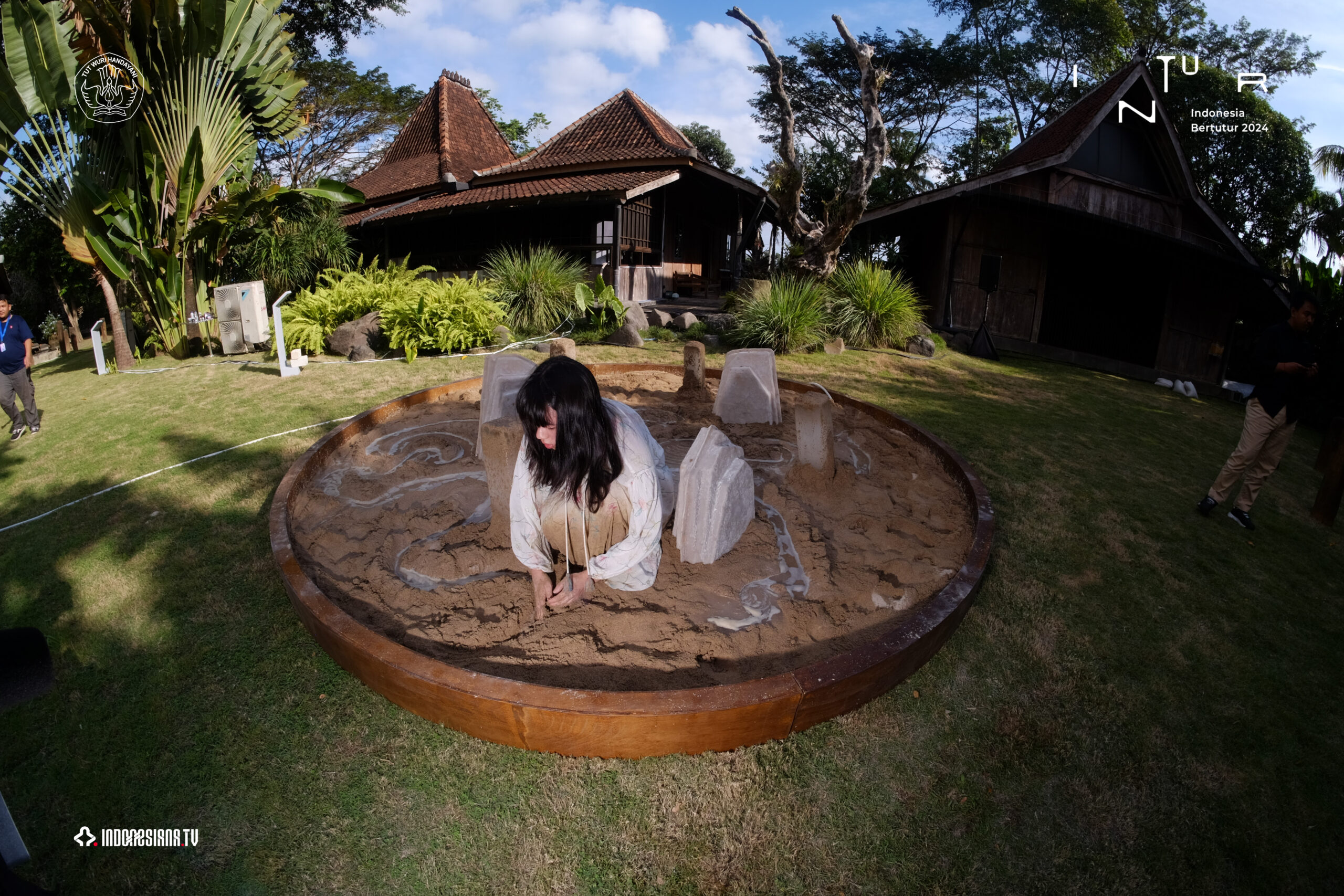
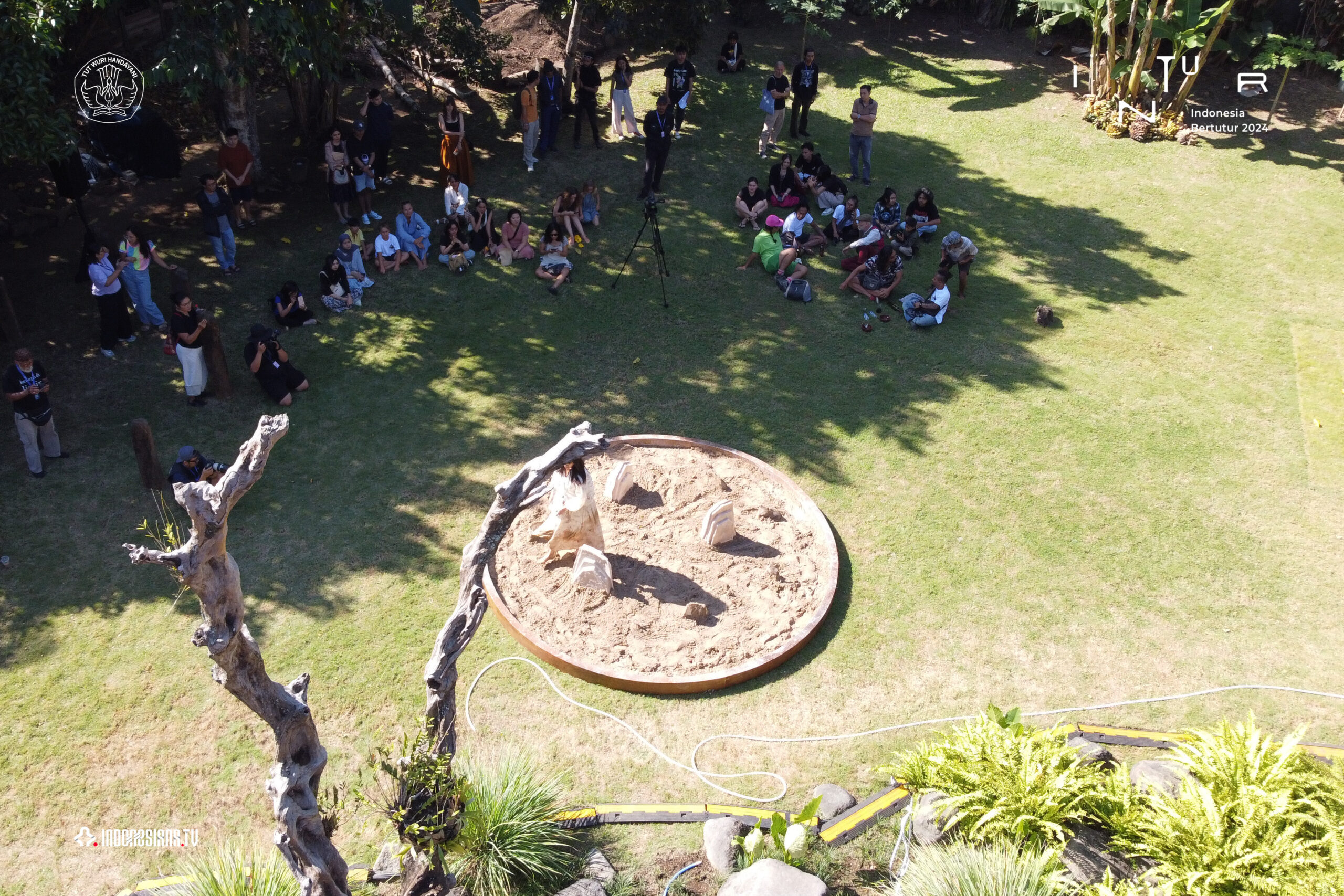
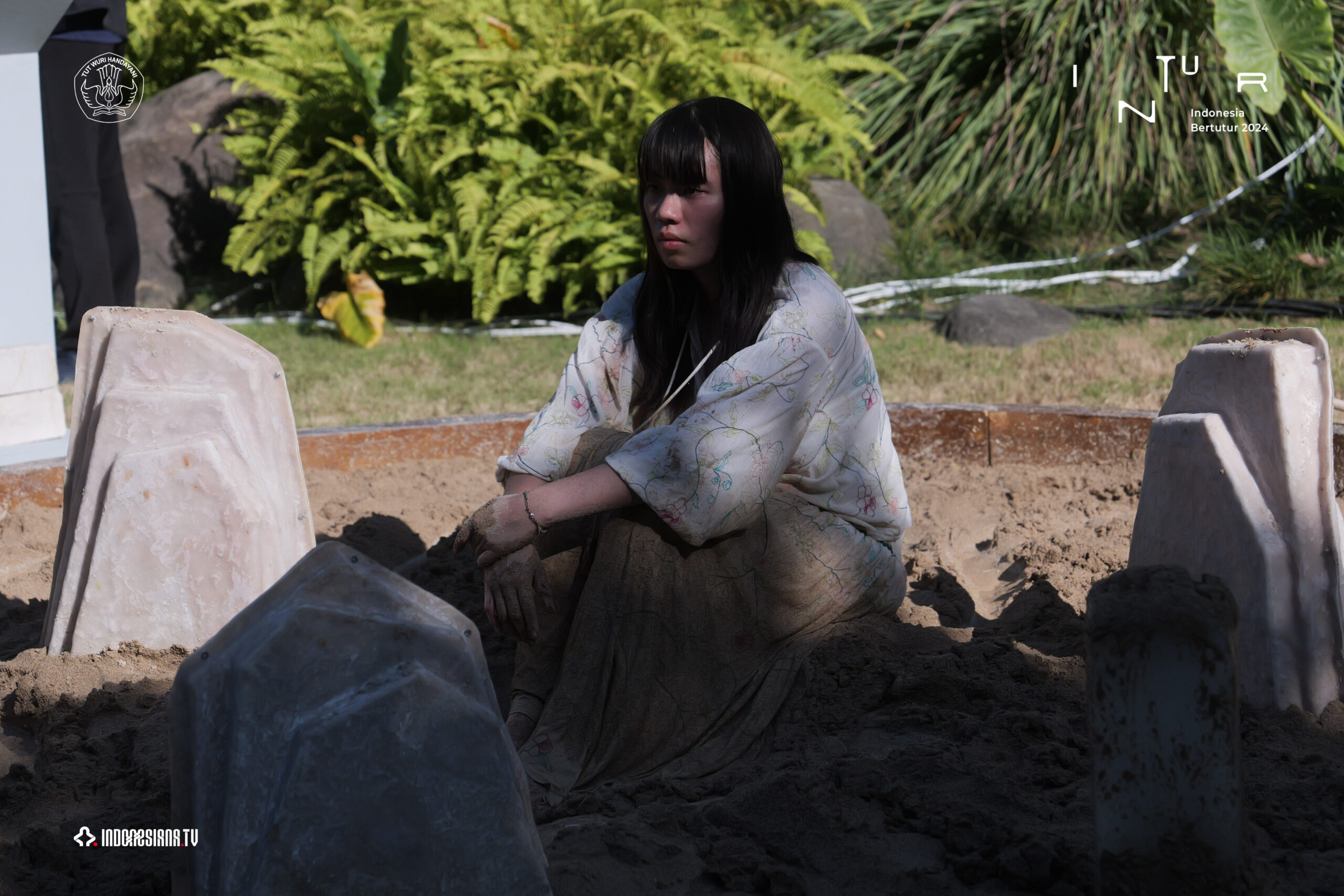
For my performance art as part of Bertutur 2024, called ‘Like Water’, I aim to bring both audiences and me to the confrontation of the power dynamics. And the audience will be placed in a situation where they must decide how limited resources presented to them will be shared or taken.
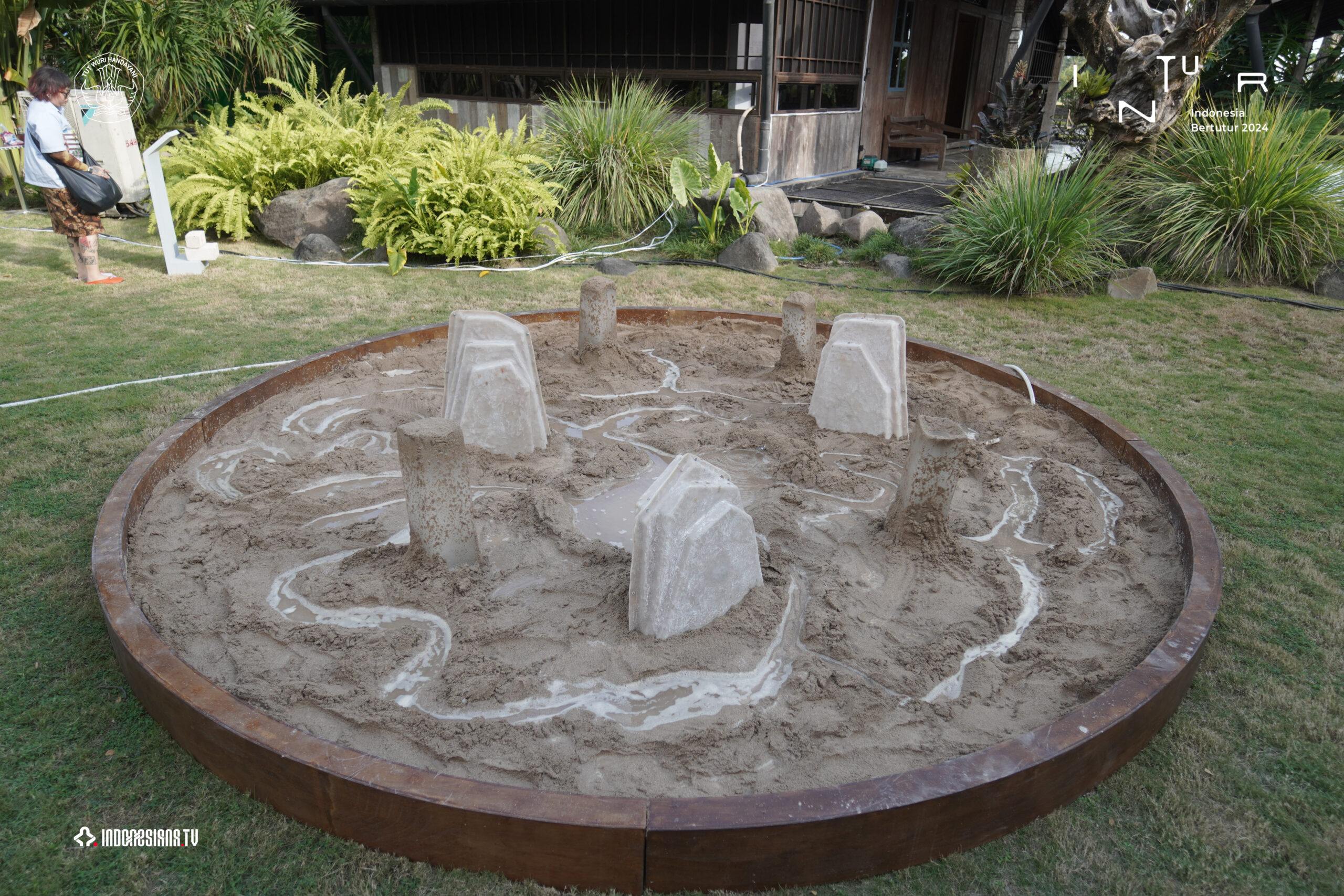
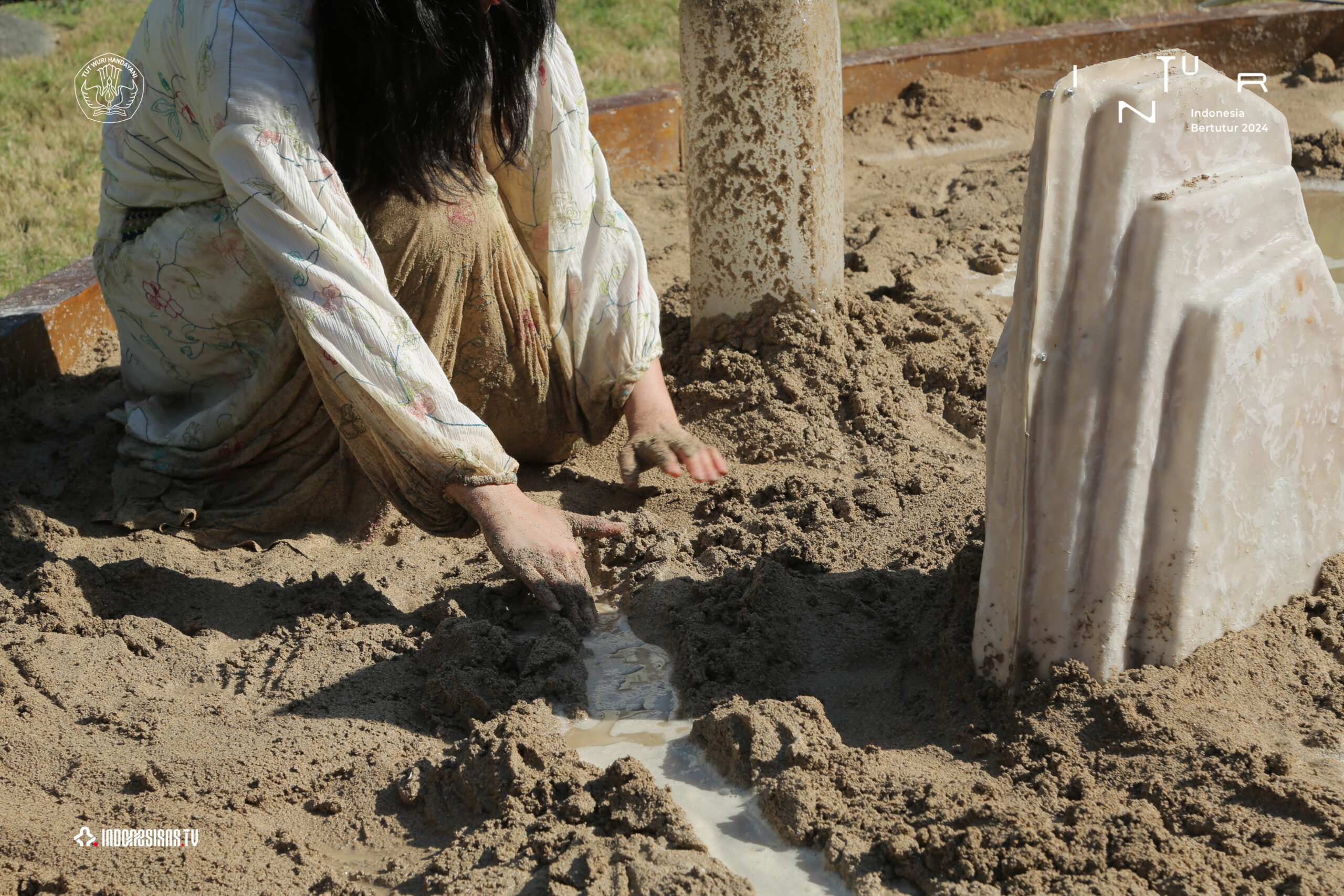
Drawing inspiration from my childhood memories, the performance will simulate a play where children, after a rainy day, gather at a sandpit and create a ‘lake’ by digging channels through the sand. While playing, participants can choose to shape the landscape, deciding whether to allow water to flow freely creating channels or impede its movement of water by creating dams. This activity mirrors real-world resource distribution issues and national water conflict between countries transforming into a child’s play. By inviting participants to reconnect with their memories through nostalgic experiences, the performance aims to encourage dialogue on the power dynamics in resource allocation between audiences.